Requiem for Reconstruction: Remembering America’s Most Complex Era and the Challenge of Hard History
Free History talk
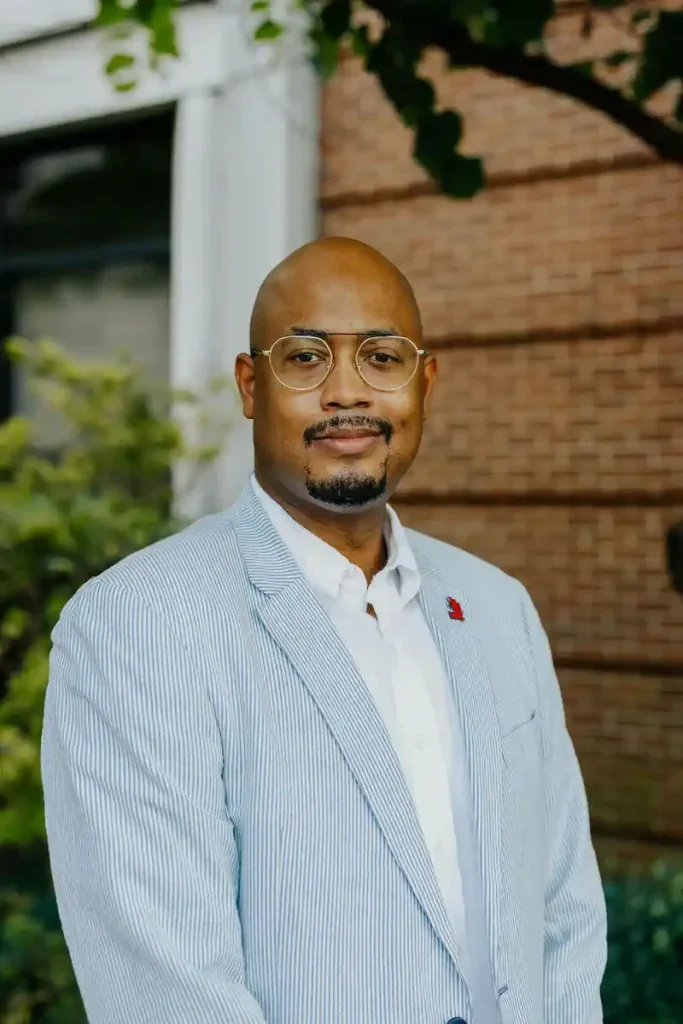
Speaker: Dr. Robert D. Bland, Associate Professor of History at the University of Tennessee
Date: Thursday, Dec. 17 at 6:00 PM
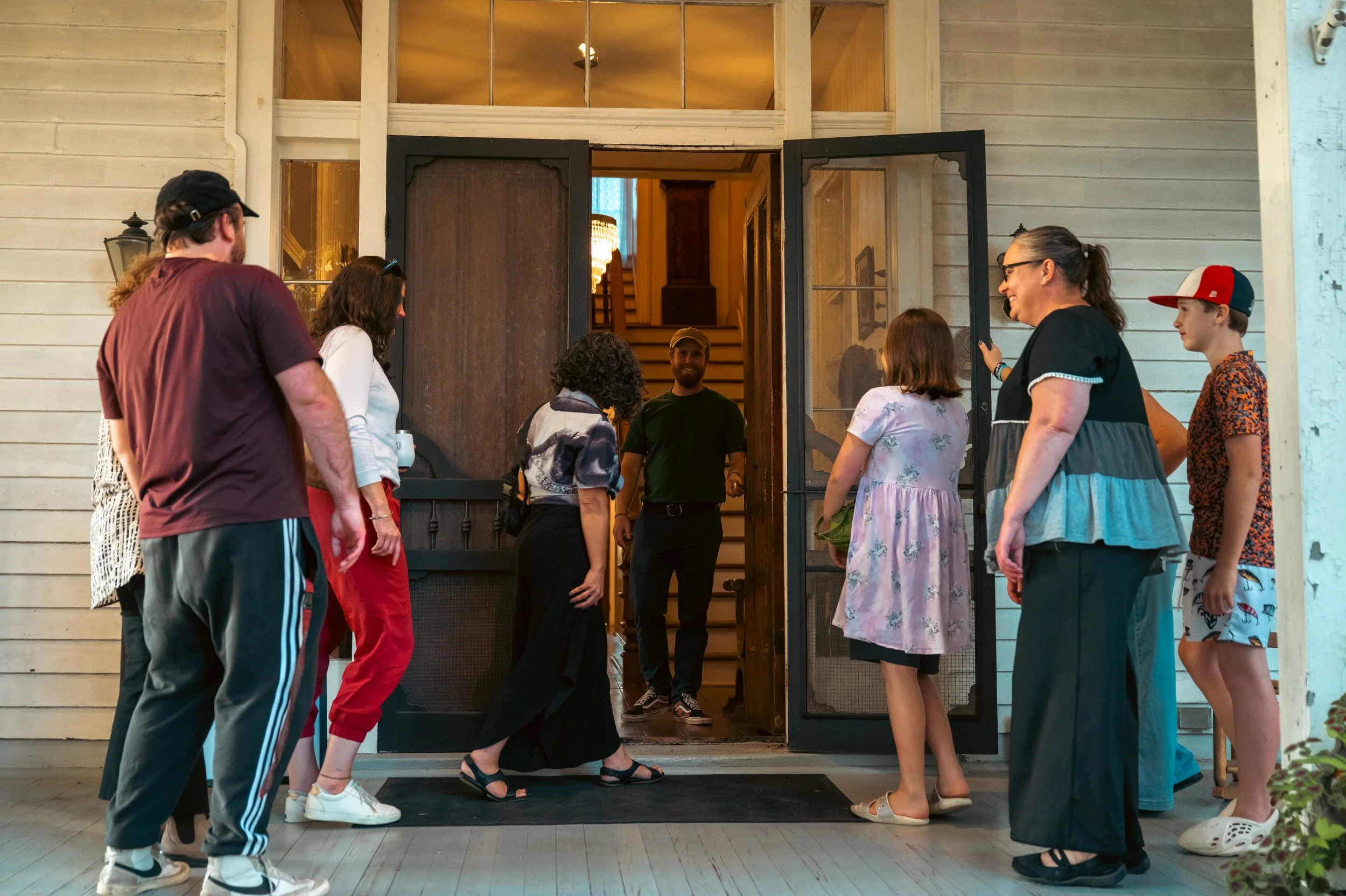
Location: Julia Meek Guest House
This talk is free and open to the public. View parking directions here.
Description: W. E. B. Du Bois’s 1935 magnum opus Black Reconstruction is rightfully understood as both critical challenge to the Dunning School interpretation of the Civil War era and a critical milestone in the social history of enslaved and freedpeople in the United States.
However, his challenge to the longstanding attacks on Reconstruction broadly—and Black politicians particularly—had earlier roots in the Gilded Age Black press. Part of a larger cultural struggle over the meaning of race and Reconstruction in the late nineteenth-century public sphere, journalists began producing new histories of the postbellum South that sought to capture both the promise and peril of the previous political generation.
This talk examines the specific struggles in the Black press around narrating the Reconstruction era, and what those past struggles over memory of the Civil War can tell us about our current battles over “hard history."
About the Speaker: Robert Bland is a historian of the late nineteenth- and early twentieth-century United States with an emphasis on the African American experience and the postbellum South.
His first book, Requiem for Reconstruction: Black Countermemory and the Legacy of the Lowcountry’s Lost Political Generation, traces the story of a previously unexamined cohort of teachers, missionaries, and political leaders that established the first beachhead for multiracial democracy in the South. Requiem for Reconstruction highlights the essential role that this generation’s countermemory of the second founding played as a cultural anchor in the emergent postbellum Black public sphere. Ultimately, this “lost” generation’s struggle against the silencing of their past would produce the modern field of African American history.
Bland’s academic writing has appeared in the Journal of the Gilded Age and Progressive Era, the Journal of the Civil War Era, American Nineteenth Century History, and the American Historical Review. His public writing has appeared in The Conversation, Muster, and Black Perspectives. His research has been supported by the Social Science Research Council, the Woodrow Wilson National Fellowship Foundation, and the National Endowment for the Humanities.